.png)

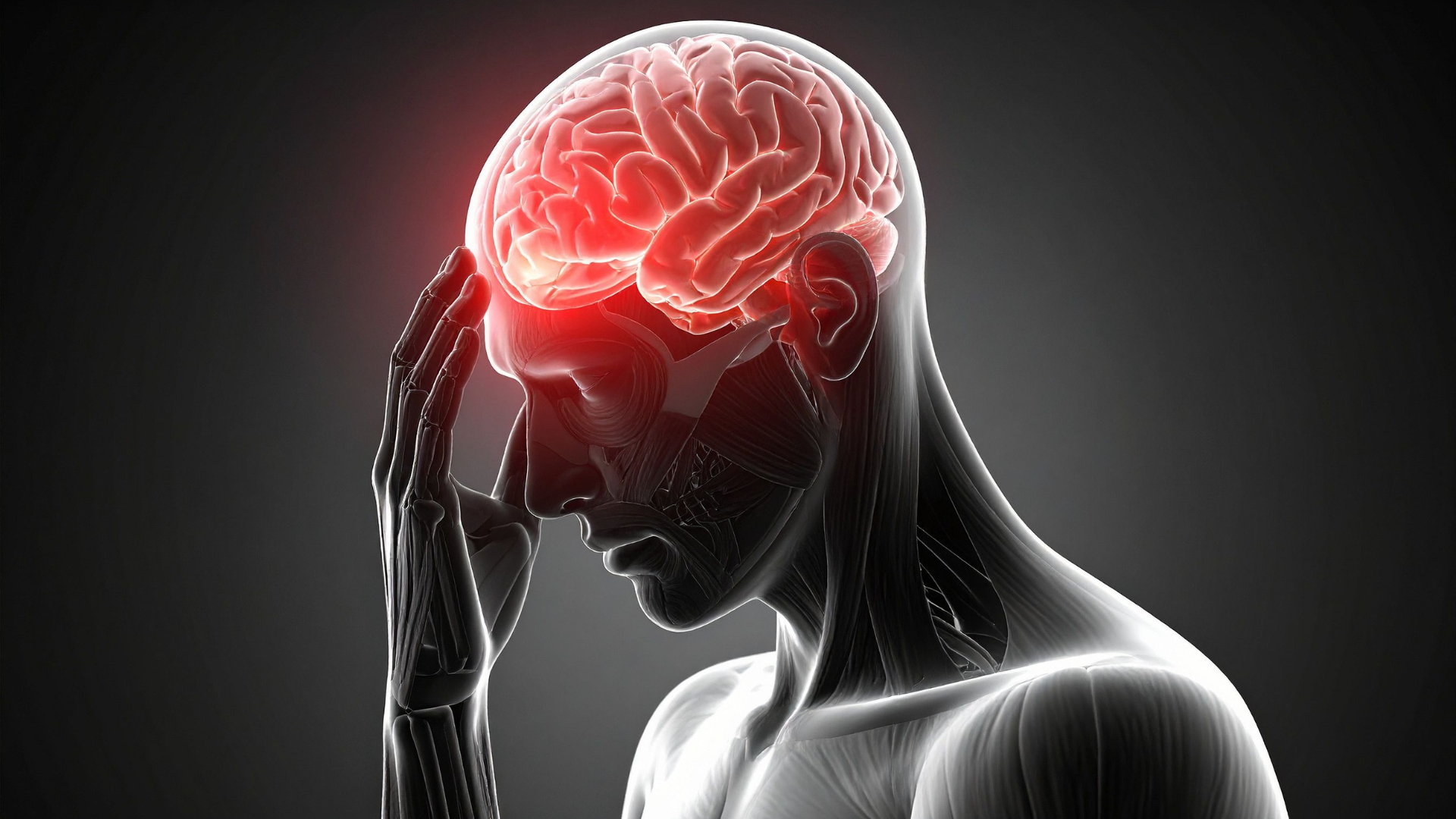
Many people struggle with recurrent headaches that cause extreme discomfort, limit focus, reduce productivity and impact quality of life. There are a number of ways you can help alleviate headache severity and occurrence, some of which we have outlined below to guide you in how you can support your comfort.
Improve your Sleep Quality
Research has shown that poor sleep quality is linked to the occurrence and severity of headaches. For example, one study found evidence that poorer sleep quality is associated with greater headache-related impact in patients with both migraines or tension-type headaches. Notably, research suggests that the relationship between sleep disturbances and migraine and tension-type headaches is bidirectional, suggesting a vicious cycle of worsening sleep and increased headache severity. Therefore, remaining well rested and following a healthy sleep schedule and routine that promotes sleep quality can contribute to relieving headaches. Targeting sleep quality may be vital in breaking the cycle of poor sleep detrimentally impacting headaches, which in turn further reduces sleep quality.
Manage your Stress Levels
Stress may also influence headaches. Studies indicate that the influence stress has on headaches may in part be the result of dysregulation of the hypothalamatic-pituitary-adrenal gland axis and autonomic nervous system which may increase both headache severity and frequency. Therefore, to best alleviate your headaches and improve your comfort it is key to evaluate your stress levels and develop healthy stress management skills. Effective stress management techniques to consider include meditation, mindfulness, gentle exercise such as yoga, and being integrated in a healthy, supportive social circle.
Reduce Muscle Tension
Muscle tightness in the neck and shoulders can cause waste products such as lactic acid to accumulate and exacerbate headache symptoms. Stress, poor posture and positions sustained over a long period of time can cause these muscles to contract, compressing nerves and creating trigger points that send pain signals to the head. Making sure to maintain healthy posture, stretching daily and strengthening your muscles through regular exercise.
Use Cold and Warm Compresses
Cold or warm compresses can help alleviate headaches, particularly when the headache is the result of muscle tension or stress. Warm compresses can be applied to the neck, shoulders or forehead for 15-20 minutes to effectively relax tight muscles and improve circulation, helping to treat tension-type headaches. On the other hand, cold compresses such as a cold gel mask or frozen damp towel can help relieve headaches, particularly migraines by constricting blood vessels, numbing pain and reducing inflammation. Importantly, if you are using a frozen cold compress on your forehead, temples or neck, always ensure that you place cloth between the ice and your skin to avoid injury and damage.
Avoid Headache Triggers
Often there are specific triggers linked to the occurrence of headaches, and these triggers can vary widely between individuals. It is therefore key to monitor what triggers the occurrence of your headaches so that you can limit your exposure to these triggers and mitigate the risk of a headache. Common triggers include exposure to bright lights, particular foods such as aged cheeses or citrus fruits, and skipping meals.
Stay Well Hydrated
Perhaps the most highly recognised trigger of headaches is dehydration. A dehydration headache occurs when a lack of fluid intake causes the brain tissue to temporarily shrink and pull away from the skull resulting in a dull throbbing pain that can worsen with movement.Therefore, it is key to ensure you consistently consume enough water throughout the day to prevent the development of a dehydration headache and it can also be beneficial to make sure you are consuming enough electrolytes which are essential minerals (such as sodium, potassium and calcium) that help regulate fluid balance. As well as serving as a preventative measure, the steady consumption of water once a headache has begun can help improve hydration and support quick recovery.
Conclusion
Headaches can massively disrupt your daily life and are highly uncomfortable, so thankfully there are a number of different simple methods to help both alleviate headache frequency and intensity. However, if you notice that you are regularly experiencing extreme headaches and discomfort, it is vital to speak to a medical professional about your symptoms for further advice. This is important as headaches may indicate an underlying condition such as brain tumours, stroke, occipital neuralgia which is a nerve disorder or even infections such as meningitis.
Sources
https://pmc.ncbi.nlm.nih.gov/articles/PMC7174108/
https://pmc.ncbi.nlm.nih.gov/articles/PMC5784553/
https://pmc.ncbi.nlm.nih.gov/articles/PMC11852498/




.gif)
Leverage cutting-edge health tracking to EVOLV